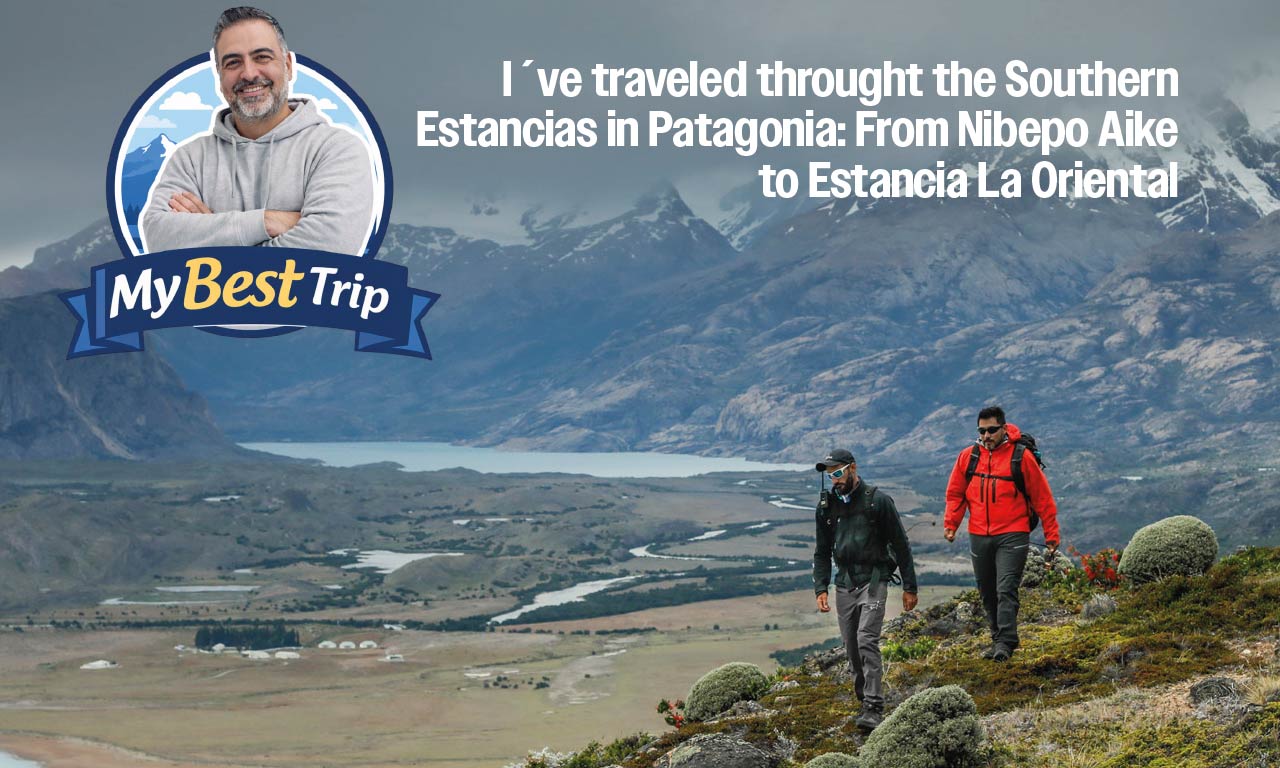
There are trips that you plan… and others that seem to unfold on their own, as if the landscape were guiding you. My journey through Patagonia was one of those. I set out from El Calafate with a simple idea: to experience the region not just through its iconic glaciers, but through its estancias—those remote, wind-shaped outposts that define life at the edge of the world.
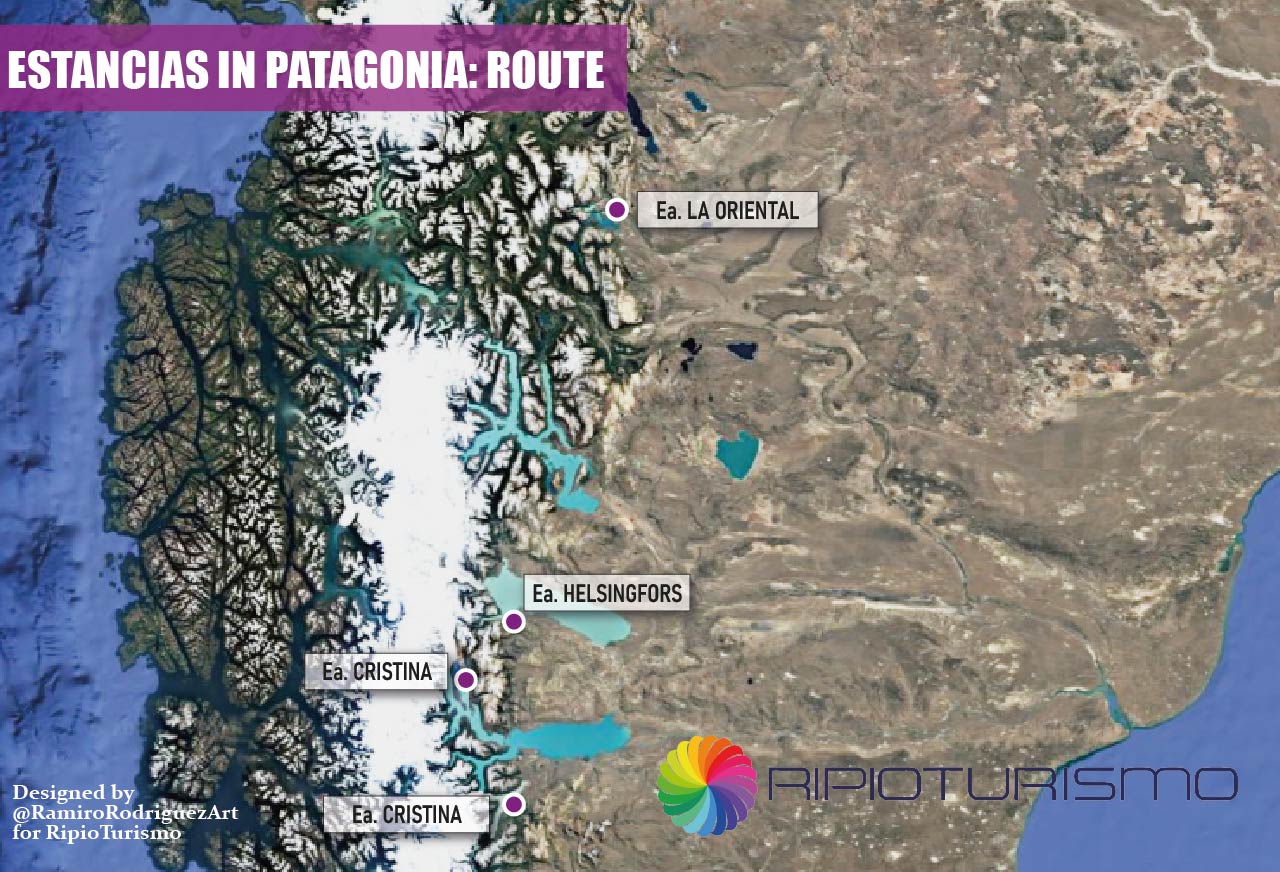
What followed was a journey through distances that feel infinite, skies that never seem to end, and a silence so deep that it becomes part of the experience. From Nibepo Aike to Estancia Cristina, in El calafate area, then north toward Helsingfors, and finally reaching the remote Estancia La Oriental in the mythic Route 40, this was Patagonia in its purest form.
Nibepo Aike: The Beginning of the Patagonian Rhythm
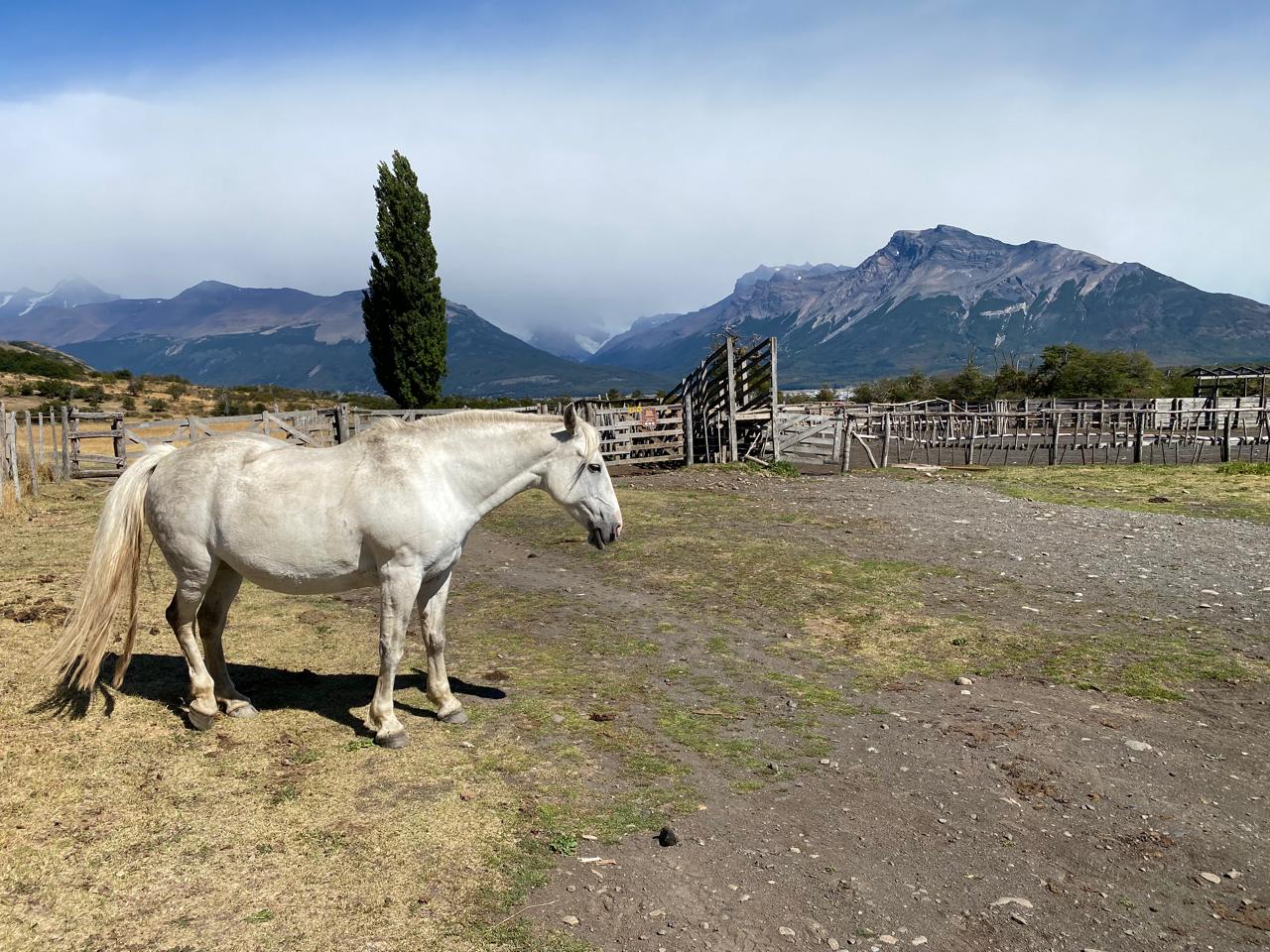
I left El Calafate early in the morning, with that crisp, dry air that Patagonia delivers even in summer. The road to Nibepo Aike is not long in kilometers—around 60 to 70 km—but it feels like a transition into another world.
The paved road gradually gives way to gravel, and with that change, the rhythm shifts. The speed drops, the landscape opens, and the sense of isolation begins to settle in. Guanacos appear along the roadside, watching quietly, while the Andes slowly rise in the distance.
Nibepo Aike sits within the boundaries of Los Glaciares National Park, and its location is part of its magic. It is not just a place to stay—it is a working estancia, where sheep farming continues as it has for generations.
I spent the afternoon walking through the property, feeling the wind that never really stops in Patagonia. The light stretched endlessly into the evening, and dinner—simple, local, authentic—was the perfect introduction to estancia life.
This first stop is essential. It allows you to slow down, to disconnect, and to begin understanding the scale and character of Patagonia.
What to do at Nibepo Aike?
Located within Los Glaciares National Park, near Lago Argentino and surrounded by the Andes, this historic ranch offers a combination of nature, tradition, and outdoor experiences that feel deeply connected to the land. One of the main highlights of Nibepo Aike is simply experiencing daily life at a working estancia. Sheep farming is still active here, and depending on the time of year, you may witness tasks such as sheep shearing or herding. These are not staged activities—they are part of real, ongoing rural life, which makes the experience much more genuine.
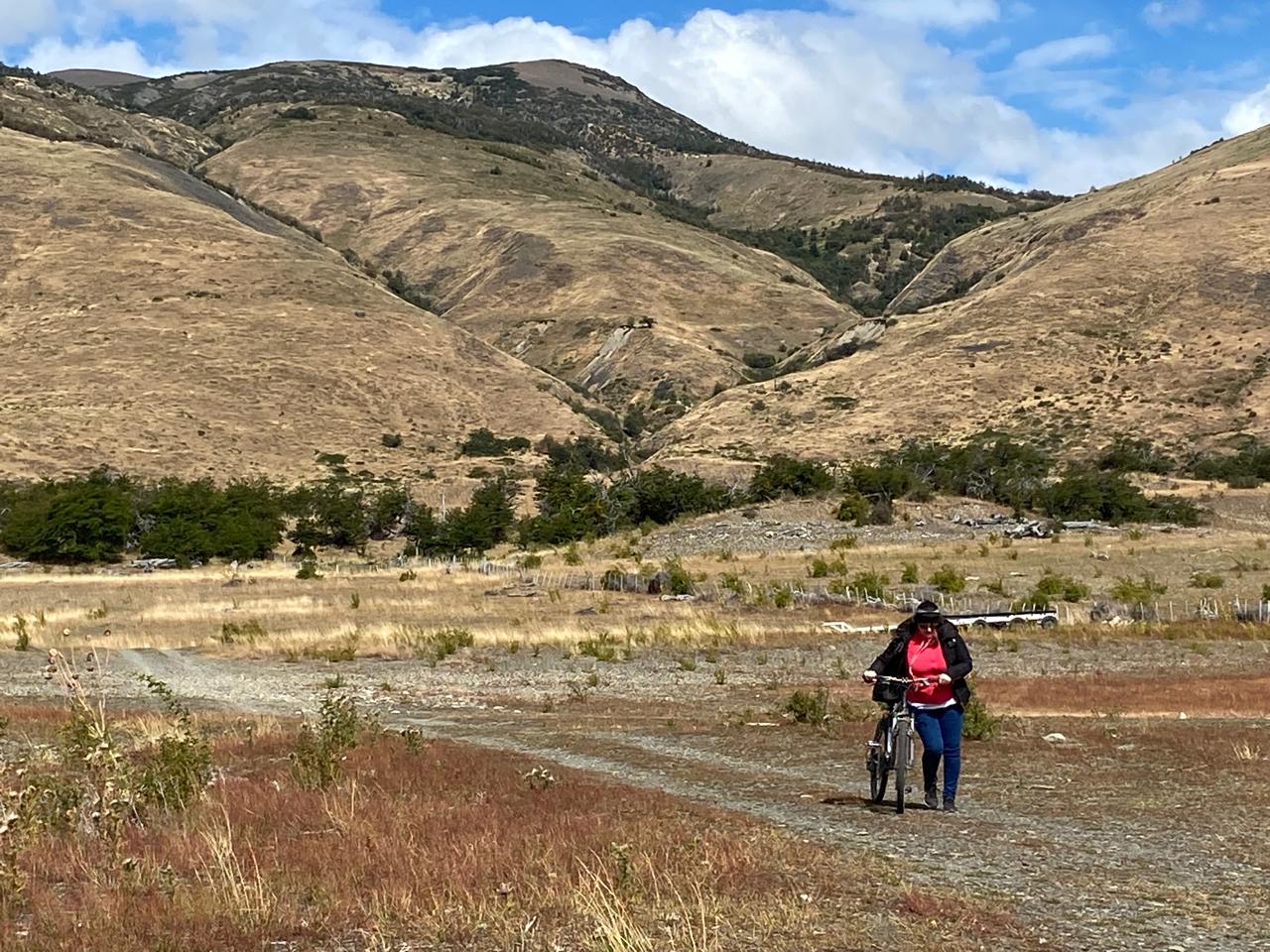
For those who enjoy being outdoors, the estancia offers guided horseback riding, one of the best ways to explore the surrounding landscapes. Riding across open valleys with views of the Andes, crossing small streams, and moving at the pace of the terrain gives you a true sense of Patagonia’s scale and silence. It’s an experience that connects you not only with nature but also with the traditions of the region. Another excellent option is hiking around the estancia. There are several trails of varying difficulty that allow you to explore forests, lakeshores, and open steppe. Walking here is not just about the physical activity—it’s about immersing yourself in the environment, observing wildlife such as guanacos and birds, and appreciating the ever-changing light and wind.
Nibepo Aike is also a great place for birdwatching and wildlife observation. Its location within a protected area means that fauna is abundant and relatively undisturbed. It’s common to see condors soaring overhead or smaller species moving through the vegetation. One of the most memorable aspects of the estancia is the gastronomic experience. Meals are simple but deeply rooted in local tradition. The Patagonian lamb, often cooked over an open fire, is a highlight. Dining here is not just about food—it’s about sharing stories, slowing down, and enjoying the atmosphere of the estancia.
For those interested in a more relaxed experience, Nibepo Aike offers the opportunity to simply disconnect and take in the landscape. Sitting outside, watching the wind move across the steppe, observing the changing colors of the mountains, and enjoying the long Patagonian evenings can be just as meaningful as any organized activity. In essence, what you do at Nibepo Aike depends on how you want to experience Patagonia. You can be active, exploring on horseback or on foot, or you can embrace the stillness and let the landscape set the pace. Either way, the estancia offers something increasingly rare in today’s world: a genuine, unfiltered connection to place.
I reccommend to stay at Nibepo Aike at least 2 nights, to relax and enjoy the activities like horseback riding, trekkings and biking tours. Then, you can continue to the next destination: Estancia Cristina.
Estancia Cristina: Into the Heart of the Ice
The next stage of the journey took me in a completely different direction—across Lago Argentino. From Punta Bandera port, I boarded a boat heading toward Estancia Cristina, a place that feels even more remote because of how you reach it. There are no roads connecting it directly to El Calafate; access is only by water or through long overland routes.
The navigation itself is part of the experience. Icebergs drift silently across the lake, breaking away from distant glaciers. The scale is overwhelming, and it becomes clear very quickly that Patagonia is not a place you simply visit—it’s a place that surrounds you. Upon arrival, Estancia Cristina reveals a different side of Patagonia: one shaped by history, isolation, and resilience. Founded in the early 20th century, it still retains that pioneering spirit.
What to do in Estancia Cristina?
The navigation is not just a logistical transfer. It is an introduction to the deeper Patagonia. As the boat moves forward, the icebergs come closer—some of unexpected size—with irregular shapes reflecting intense shades of blue. The environment feels dynamic and alive, yet profoundly calm. It is during this crossing that one begins to understand that Estancia Cristina is not a conventional destination, but an experience built in layers. It was the first great activity, the navigation itself is amazing!
Once on land, the experience unfolds in multiple directions, combining nature, history, and adventure. One of the most striking moments is the 4×4 excursion that ventures into terrain where the landscape seems frozen in time. The route crosses fossil-rich areas, remnants of a geological past revealed at every step. As the vehicle gains elevation, the environment becomes more arid and exposed, until reaching one of the most impressive viewpoints in the region: the panoramic view of the Upsala Glacier.
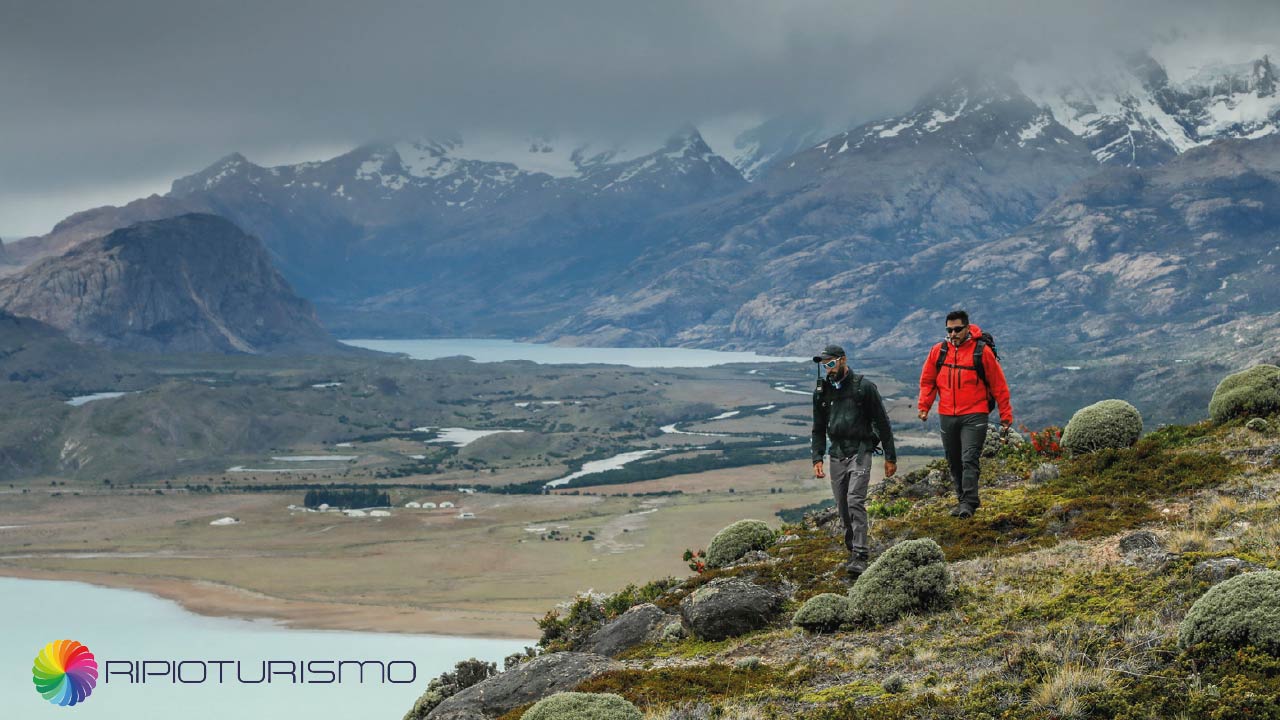
Unlike the Perito Moreno Glacier, Upsala appears distant and fragmented, stretching across the horizon with a silent force. There are no walkways or crowds—just a vast, almost untouched perspective that reinforces the feeling of being in front of a truly wild landscape. It is one of those views that does not impose itself, but slowly reveals itself as one begins to understand the scale of the territory. For those who prefer to explore at a different pace, Estancia Cristina offers multiple hiking options. The trails pass through glacial valleys, lenga forests, and wide expanses of open steppe. Walking here is not just a physical activity, but a form of immersion. The absence of noise, the constant presence of wind, and the possibility of not encountering another person for long stretches transform each hike into an intimate experience with the environment.
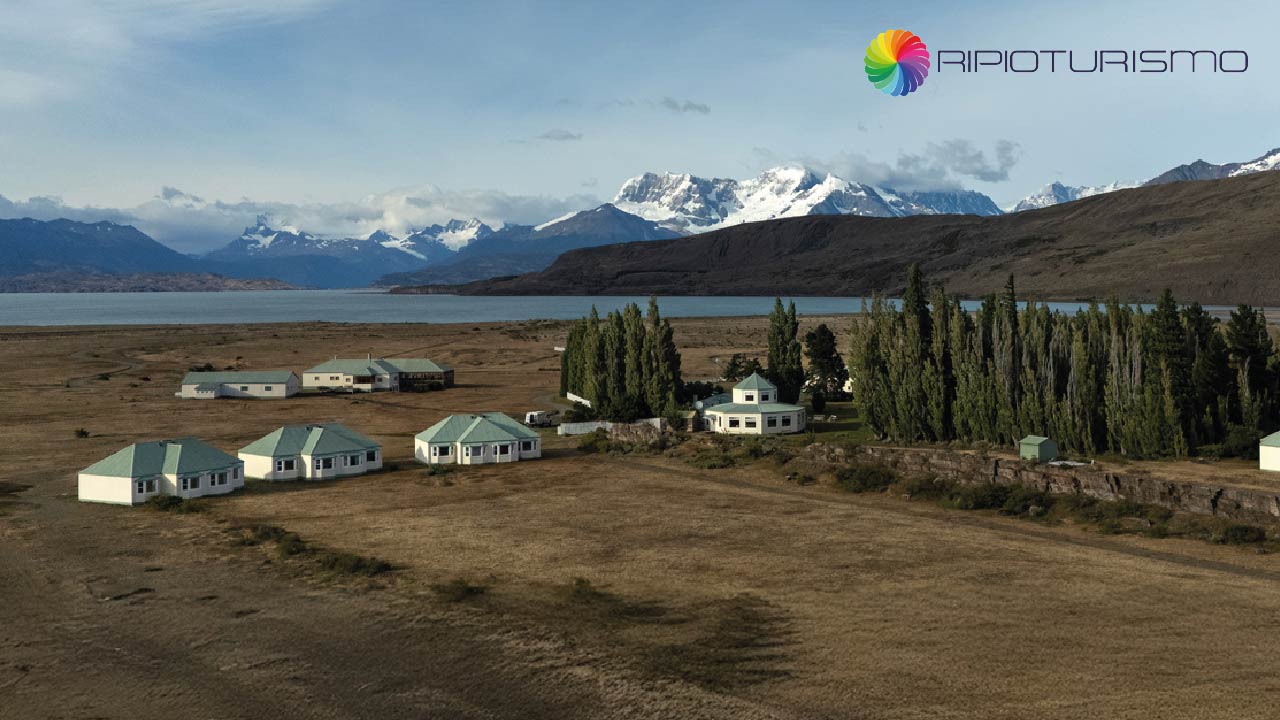
But Estancia Cristina is not only about landscapes. Its history is an essential part of the visit. Founded in the early 20th century, it was once one of the most isolated estancias in Patagonia. The on-site museum helps visitors understand how its first settlers lived, the challenges they faced, and the relationship they built with such an extreme yet fascinating environment. This human dimension adds depth to the journey, connecting the present with a past defined by resilience and adaptation.
The estancia also offers horseback riding, a traditional way of exploring the Patagonian landscape. On horseback, the scenery takes on a different scale—slower, more integrated with the terrain. It is a way of connecting with the rhythm of estancia life, where movement and time follow different rules. Although the landscape dominates, the natural environment also offers encounters with wildlife. Condors soaring overhead, guanacos moving in groups, and occasional fox sightings are part of an active, yet discreet ecosystem. Here, wildlife observation is not guaranteed or staged, but part of the natural dynamics of the place.
However, one of the most significant aspects of Estancia Cristina is not tied to a specific activity, but to the overall sense of isolation. Being there implies a true disconnection. There is no urban noise, no constant stimulation, no urgency. Only the wind, the shifting light, and the clear sensation of being in a place far removed from the everyday world. This combination of elements—the navigation, the 4×4 exploration, the hikes, the history, and the connection with nature—creates a complete and layered experience. It is not a place to pass through quickly, nor just another excursion within an itinerary. It is a place that invites you to pause, to observe, and to understand.
Ultimately, Estancia Cristina represents one of the most authentic ways to experience Patagonia. Not through immediate spectacle, but through depth—through scale, silence, and history. A place that does not impose itself, but stays with you long after you leave.
Staying at Estancia Cristina: A Night in the Middle of Nowhere
Spending a night at Estancia Cristina is not just about accommodation—it’s about understanding what it truly means to be in Patagonia. After the navigation across Lago Argentino and a full day exploring the surroundings, arriving at the lodge in the late afternoon feels like reaching a place that exists completely outside the modern world.
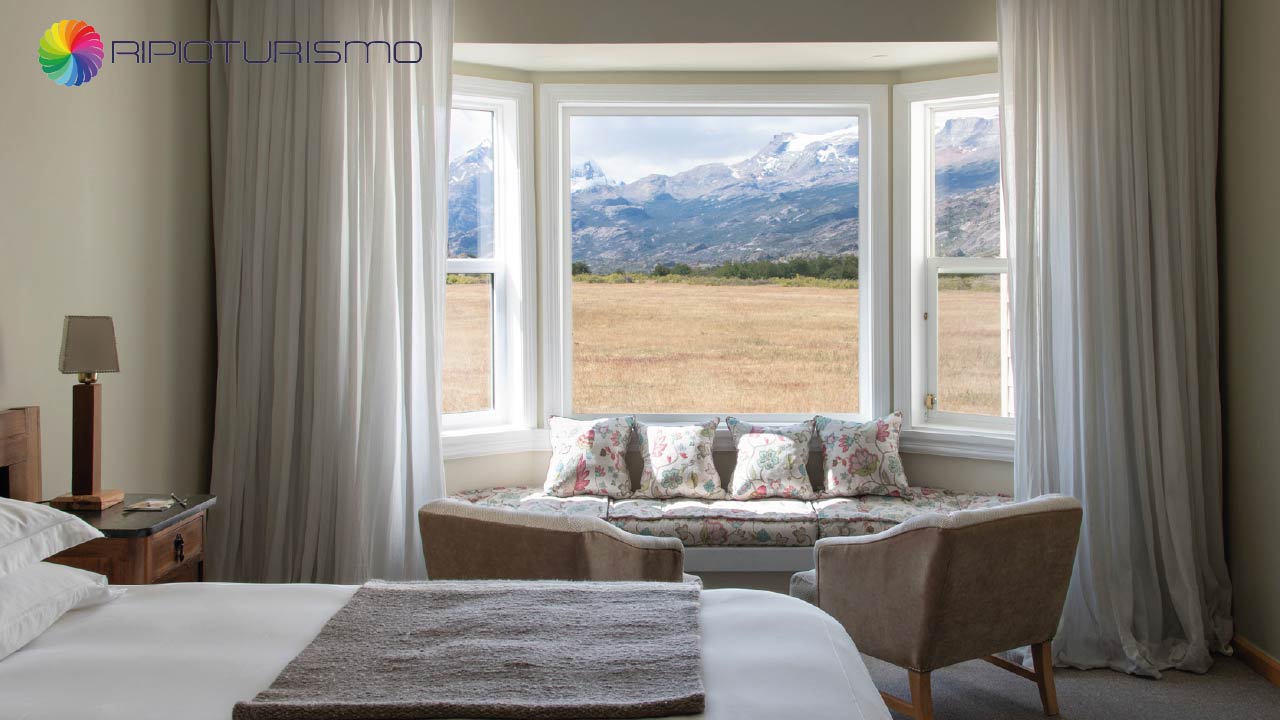
What struck me first was the sense of isolation. There are no roads, no nearby towns, no noise—just the lake, the mountains, and the wind. It’s not a staged remoteness; it’s real. And that changes everything about how you experience the stay. The lodge itself is simple, but warm and carefully maintained. The rooms are comfortable, with large windows that frame the landscape rather than compete with it. You don’t come here for luxury in the traditional sense—you come for authenticity. And in that sense, the experience is far richer than many high-end hotels.
As the evening settles in, the atmosphere becomes even more special. The light stretches across the valley, reflecting off the lake, and everything slows down. There’s a moment where you realize that there’s nothing else to do—and that’s precisely the point. Dinner is another highlight. It’s not just about the food, which is local and well-prepared, but about the setting. Sitting there, often with other travelers who have shared the same journey in, conversations naturally unfold. There’s a shared understanding that everyone present has made the effort to reach this place.
After dinner, stepping outside is something I highly recommend. The sky in Estancia Cristina is incredibly clear, and without any light pollution, the stars take over completely. It’s one of those moments where Patagonia reveals another layer—quiet, vast, and almost unreal. The night itself is silent in a way that is hard to describe. You don’t hear traffic, voices, or distant sounds—just the occasional wind moving through the valley. It’s a kind of silence that feels almost physical.
Waking up the next morning is just as memorable. The light returns slowly, the air is crisp, and the landscape looks different again. Breakfast is calm, unhurried, and there’s a sense that the day ahead will follow the same rhythm as the place itself. Staying overnight at Estancia Cristina transforms the visit. It’s no longer just an excursion—it becomes an immersion. You’re not just passing through; you’re experiencing what it feels like to live, even briefly, in one of the most remote places in Patagonia.
I suggest to stay 3 to 4 nights in this amazing place, to enjoy all the activities and the unique landscape!
Helsingfors: Where Silence Becomes the Landscape
From Cristina, I continued my journey north, toward one of the most remote estancias in the region: Helsingfors. Reaching Helsingfors requires commitment. Long stretches of gravel roads, river crossings, and a constant awareness of how far you are from any town. This is not a destination for casual travel—it is for those who want to truly understand Patagonia.
Helsingfors: location and how to get there from Estancia Cristina
Estancia Helsingfors is located in the northwest of Santa Cruz Province, in one of the most remote and least explored areas of Argentine Patagonia. It sits in a deep valley surrounded by mountains, glaciers, and rivers, very close to the boundary of Los Glaciares National Park, yet outside the most traditional tourist circuits.
Reaching it from Estancia Cristina is neither direct nor simple. It is a journey that combines navigation and long stretches of gravel roads. First, you must return by boat from Cristina to Punta Bandera port, and from there continue overland in a 4×4 vehicle for several hours heading north. The route crosses wide open landscapes with very little infrastructure, passing through estancias, rivers, and vast areas of Patagonian steppe.
More than just a transfer, the journey to Helsingfors is part of the experience. As you move forward, the sense of isolation increases, and the landscape becomes progressively more dramatic and untouched. It is a journey that requires time and patience, but rewards you with access to one of the most authentic and least altered regions of Patagonia.
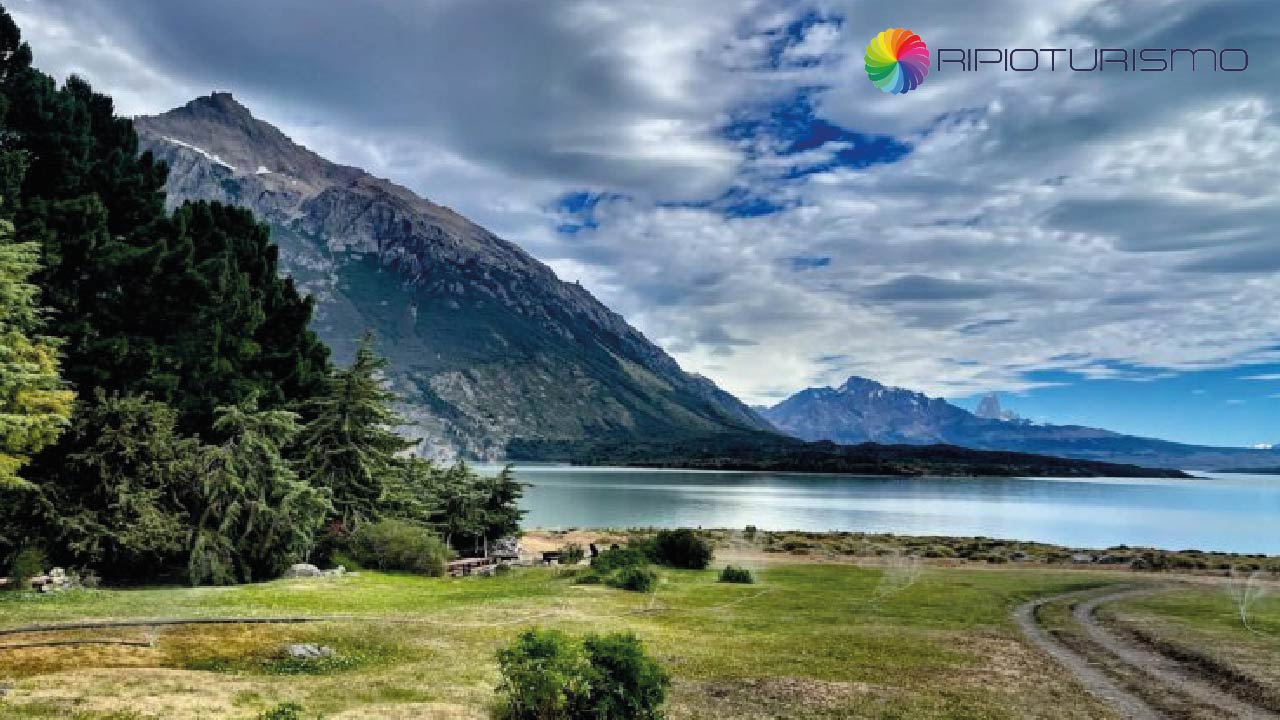
Enjoying Helsingfors
The climate here feels more raw. Winds are stronger, temperatures shift quickly, and the landscape becomes more dramatic. The Andes are closer, sharper, more present. Helsingfors is surrounded by mountains, glaciers, and rivers. It feels enclosed, yet vast at the same time. Days here are spent exploring on foot or horseback, moving through valleys where you may not see another person for hours. What struck me most was the silence. Not the absence of sound, but a different kind of presence—wind, distant water, the subtle movement of the land itself. At night, the sky transforms. With no artificial light, the stars take over completely. It is one of the purest stargazing experiences I have ever had.
What Can You Do at Estancia Helsingfors?
Staying at Estancia Helsingfors is less about ticking off activities and more about immersing yourself in one of the most remote and untouched landscapes in Patagonia. Here, the experience is shaped by nature, distance, and silence, and every activity feels deeply connected to the environment.
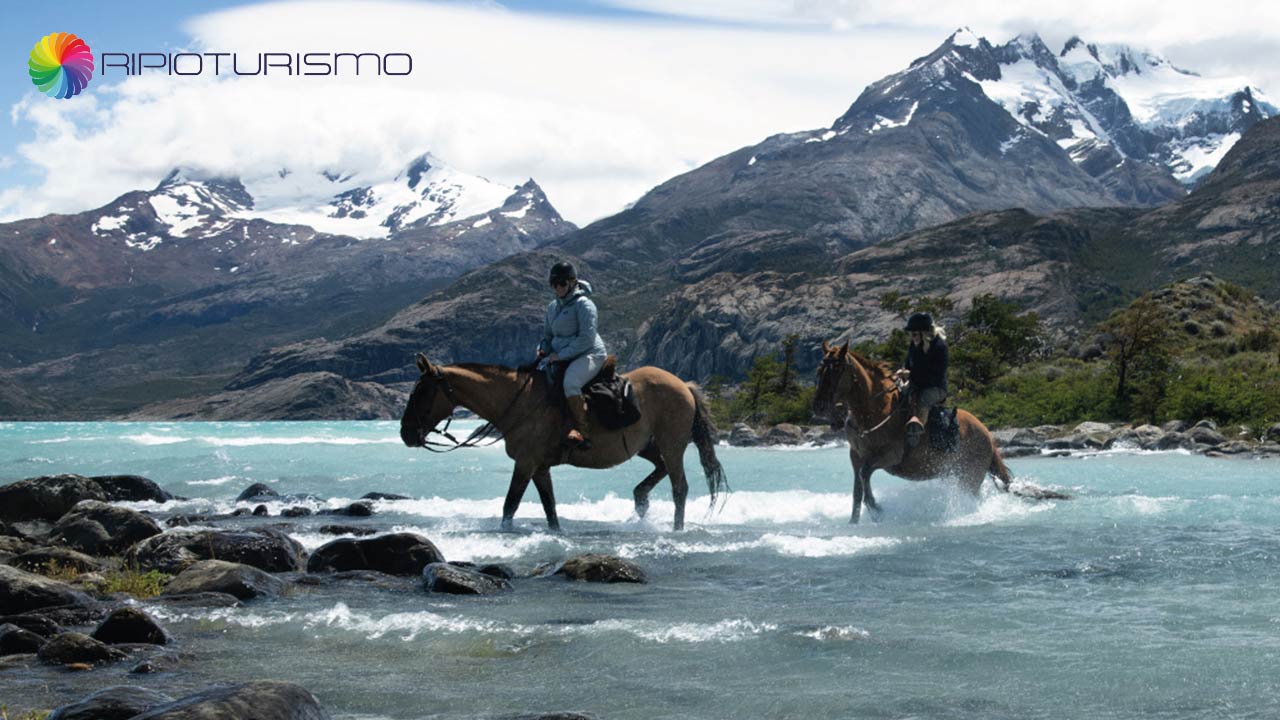
One of the main ways to explore the area is through guided trekking. The estancia is surrounded by valleys, rivers, and mountains that seem to close in around you, creating a landscape that feels both intimate and vast at the same time. Walking here is not just about covering distance—it’s about moving slowly through a place where every turn reveals a new perspective. Trails can lead you along glacial rivers, through lenga forests, or up to panoramic viewpoints where the scale of Patagonia becomes truly evident. Another key experience is horseback riding, which allows you to access more remote areas of the property and surrounding valleys. Riding across these landscapes gives you a sense of how this region has historically been explored and worked. It’s also one of the most natural ways to connect with the terrain, moving at a pace that matches the environment.
For those interested in fishing, Helsingfors offers excellent opportunities for fly fishing, particularly in nearby rivers and streams. The waters are clear, cold, and relatively untouched, making them ideal for this type of activity. Even for beginners, it can be a memorable experience, combining technique with the quiet intensity of the landscape. Wildlife observation is another subtle but rewarding part of the stay. While animals are not always immediately visible, the region is home to guanacos, foxes, and a variety of bird species, including condors that can often be seen gliding above the mountains. Encounters feel natural and unforced, which makes them more meaningful.
One of the most powerful aspects of Helsingfors, however, is the opportunity to simply disconnect and experience the environment. There is no rush, no noise, and very little external distraction. Time stretches differently here. Sitting by the river, watching the clouds move across the peaks, or just listening to the wind can become the most memorable part of the day. The estancia also offers a warm and welcoming atmosphere indoors. After a day outside, returning to a cozy space, sharing a meal, and exchanging stories with other travelers becomes part of the experience. It’s a balance between adventure and comfort that defines the stay.
In essence, what you do at Helsingfors is guided as much by the landscape as by your own pace. It’s a place where activities are not imposed, but discovered—and where Patagonia reveals itself in a quieter, more profound way.
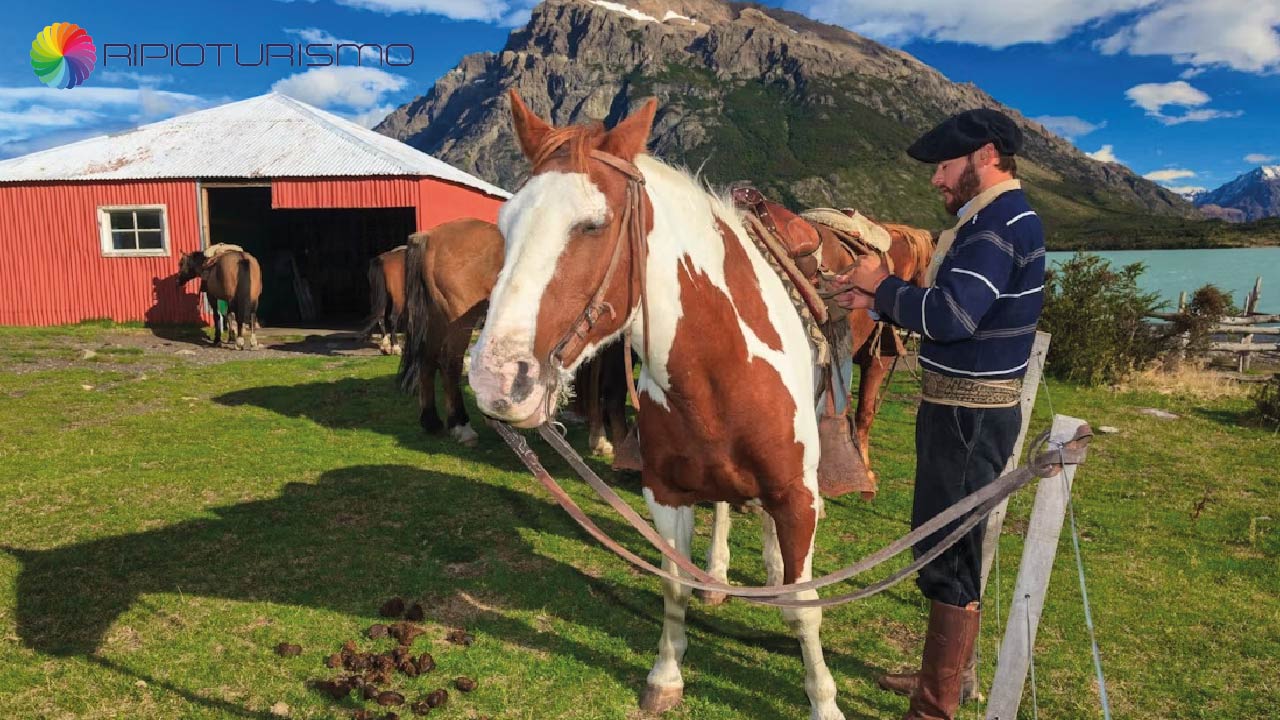
Staying at Estancia Helsingfors: Comfort at the Edge of Isolation
Staying at Estancia Helsingfors is a very different kind of experience from a traditional hotel stay. By the time you arrive, after hours of travel through remote landscapes, you already understand that this is not just accommodation—it’s part of the journey itself.
What immediately stands out is the setting. The estancia is located in a secluded valley, surrounded by mountains, rivers, and vast open spaces. There are no nearby towns, no noise, no signs of urban life. The isolation is real, and that’s exactly what makes the stay so special.
The lodge itself is warm, intimate, and designed to blend into the environment rather than compete with it. The rooms are comfortable, with a strong sense of simplicity and authenticity. Large windows frame the surrounding landscape, constantly reminding you where you are. You don’t come here looking for luxury in the conventional sense—you come for something more meaningful: a genuine connection with Patagonia.
One of the most memorable aspects of staying at Helsingfors is the atmosphere inside the house. After a day exploring the outdoors, returning to the lodge feels welcoming and personal. There is a sense of shared experience among guests, as everyone has made the effort to reach such a remote place.
Meals are an important part of the stay. They are homemade, generous, and rooted in local tradition. Sitting around the table, conversations flow naturally, often centered around the day’s activities, the landscape, and the journey itself. It feels less like a hotel and more like being hosted in a private Patagonian home.
At night, the estancia becomes even more special. The absence of artificial light reveals a sky full of stars, intense and clear. The silence is deep, broken only by the wind or distant natural sounds. It’s the kind of environment that allows you to fully disconnect from everything else.
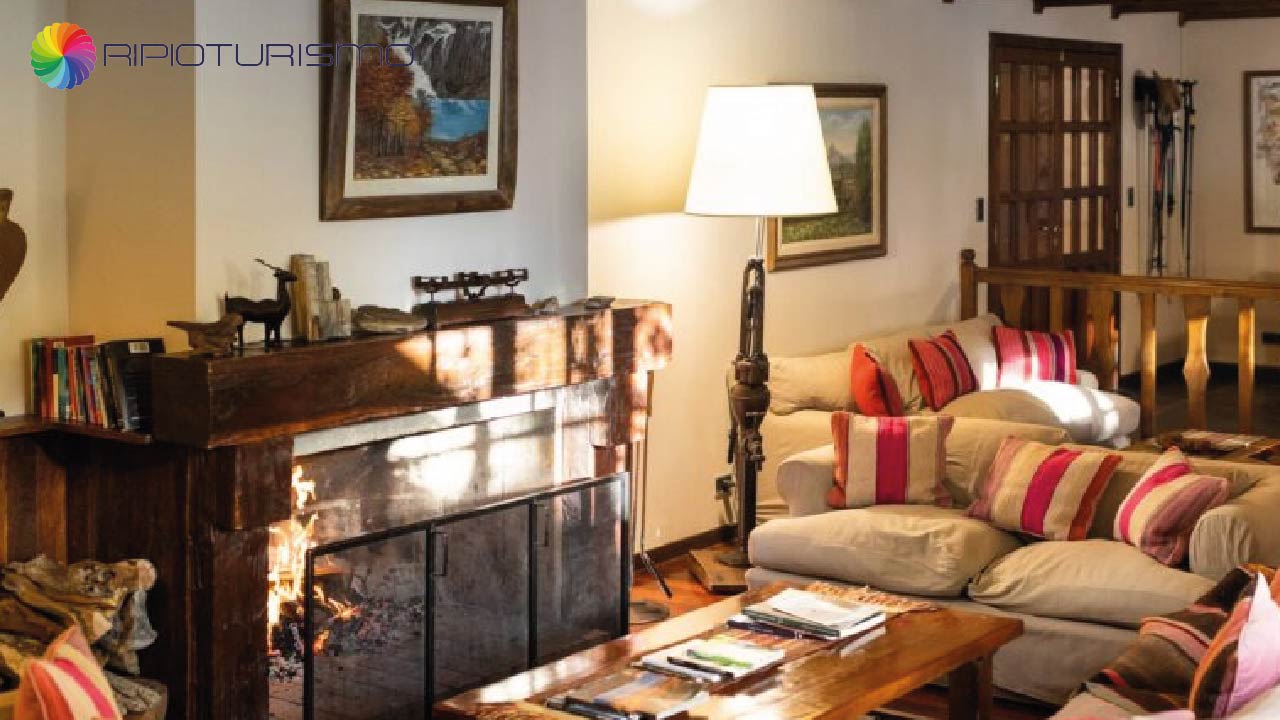
Waking up in Helsingfors is just as unique. The light changes constantly across the mountains, the air is fresh and crisp, and the day begins slowly. There is no rush—everything follows the rhythm of the place.
Staying at Estancia Helsingfors is not about comfort in a conventional sense, but about experiencing a rare kind of balance: remoteness with warmth, simplicity with depth, and isolation with a strong sense of place. It is one of those stays that stays with you long after you leave.
Let me suggest at least 3 nights here, it`s a wonderful place to stay!
Estancia La Oriental: The Final Frontier
The last leg of the journey took me even further into Patagonia, to Estancia La Oriental. Leaving Estancia Helsingfors and heading toward Estancia La Oriental feels less like a transfer and more like an expedition. By this point in the journey, you are already deep inside Patagonia, but this leg takes you even further into its most open and isolated landscapes.
The route unfolds almost entirely over gravel roads (ripio), with long stretches where the horizon seems endless. Distances in Patagonia are deceptive—not because of the kilometers themselves, but because of the terrain. What may look short on a map can take several hours, as the road conditions, river crossings, and the sheer vastness of the land slow everything down.
As you leave Helsingfors, the landscape begins to open up. The valleys gradually give way to wider steppe, where the mountains become more distant and the sense of exposure increases. The wind becomes a constant companion, shaping the vegetation and defining the character of the journey. There is very little infrastructure along the way. You may pass through other estancias, see occasional fences marking large properties, and encounter wildlife such as guanacos moving freely across the land. But for long stretches, there is nothing but road, sky, and silence.
Driving here requires attention and patience. The road surface can vary, and weather conditions—especially wind—can influence the pace of travel. But this is also what makes the journey so memorable. You are not just moving between two points; you are experiencing the scale and raw beauty of Patagonia in its purest form. Approaching Estancia La Oriental, the feeling shifts again. The landscape becomes even more expansive, with wide open plains stretching toward the horizon. There is a growing sense that you are reaching the edge of something—an area where the land feels untouched and time seems to slow down even further.
This route is not about speed or efficiency. It is about immersion. It is about understanding distances, feeling the isolation, and embracing the rhythm of Patagonia. By the time you arrive at La Oriental, the journey itself has already become one of the most meaningful parts of the experience. If Helsingfors feels remote, La Oriental feels like the edge of the map. The journey there reinforces that idea: long distances, minimal infrastructure, and a growing sense that you are leaving the familiar behind.
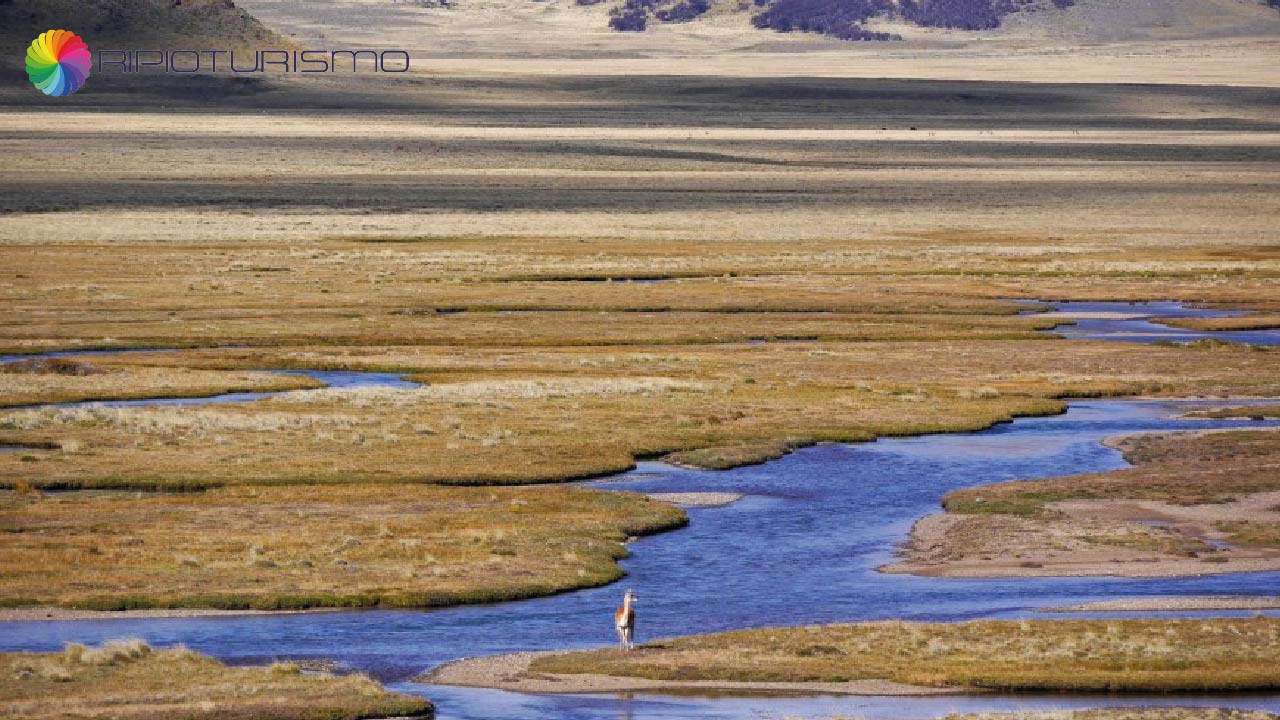
The landscape changes again. It becomes more open, more exposed, with vast plains stretching toward the horizon. The wind here is constant, shaping everything—from the vegetation to the way you move through the space. La Oriental is not about luxury in the conventional sense. It is about authenticity. Life here is simple, direct, and deeply connected to the land.
I spent my time walking through the estancia, observing daily activities, and simply being present in a place where time seems to move differently. There are no crowds, no schedules, no distractions—just Patagonia in its most essential form.
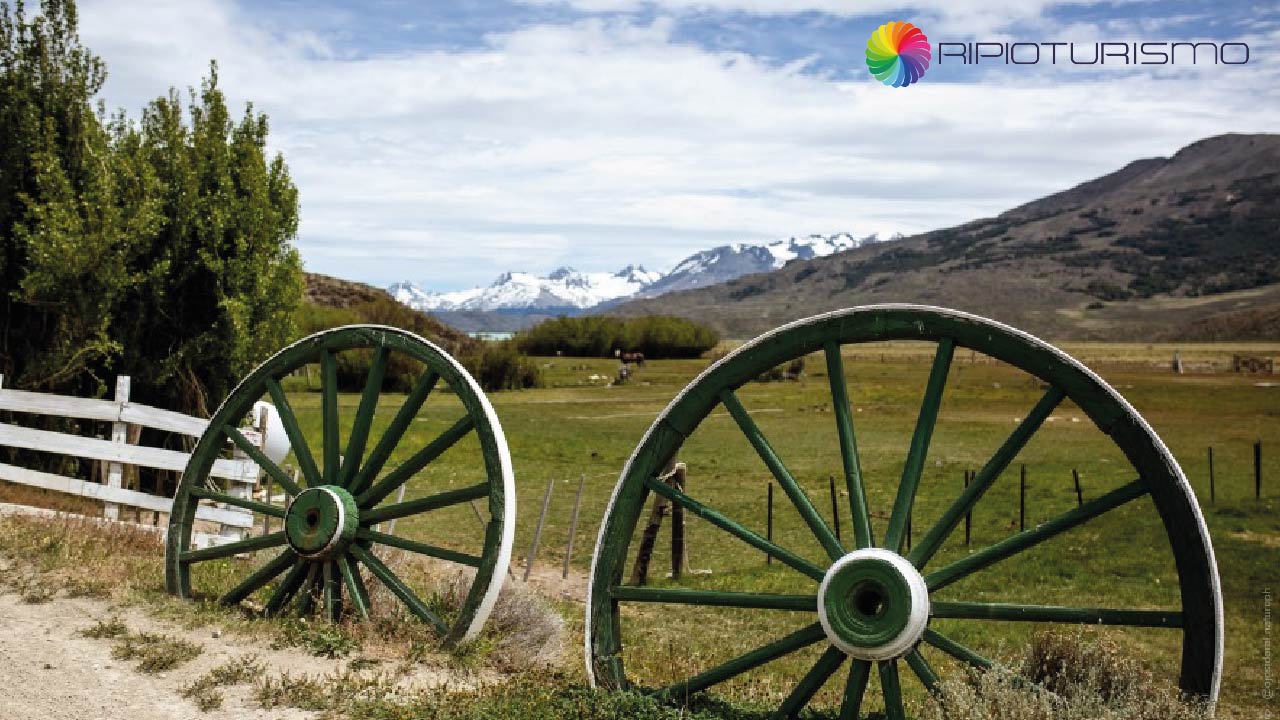
What Can You Do at Estancia La Oriental?
Arriving at Estancia La Oriental feels like reaching one of the last truly remote corners of Patagonia. By the time you get there, after long stretches of gravel roads and endless landscapes, the experience naturally shifts. This is not a place defined by a long list of activities, but by the quality and depth of each experience. One of the main ways to explore La Oriental is through guided walks across the Patagonian steppe. The terrain here is more open and expansive than in other estancias, with wide plains stretching toward the horizon. Walking through this environment gives you a real sense of scale—there are no barriers, no crowds, just land and sky. It’s an ideal setting to observe how Patagonia feels in its most raw and exposed form.
Horseback riding is another key activity, and perhaps one of the most authentic ways to move through this landscape. Riding across open fields, following natural contours of the land, and experiencing the silence from this perspective creates a strong connection with the traditional life of the estancia. It’s not about speed or distance, but about rhythm and immersion. La Oriental is also an excellent place for wildlife observation, although in a more subtle way than other destinations. Guanacos are commonly seen moving across the plains, and birdlife is abundant, especially raptors that take advantage of the open skies. The lack of human presence makes these encounters feel completely natural and unforced.
One of the most valuable aspects of staying here is the opportunity to simply disconnect and experience the landscape. There is a sense of openness that is difficult to describe. The wind, the light, and the vastness create an environment where time slows down. Sitting outside, observing the horizon, or walking without a defined path often becomes one of the most memorable parts of the stay. Inside the estancia, life follows a simple and welcoming rhythm. After spending time outdoors, returning to a warm space, sharing meals, and exchanging stories with hosts or other travelers becomes part of the experience. The atmosphere is intimate and genuine, far from the structure of a traditional hotel.
Another highlight is the night sky. With no artificial light around, the stars appear with incredible clarity. The sense of isolation becomes even more evident at night, when silence and darkness take over completely. It’s one of those moments where Patagonia feels at its most powerful. In essence, what you do at Estancia La Oriental is shaped by the place itself. It is not about a schedule full of activities, but about being present in a landscape that invites you to slow down, observe, and connect. It is Patagonia in its most minimal, most authentic expression.
Staying at Estancia La Oriental: Life at the Edge of Patagonia
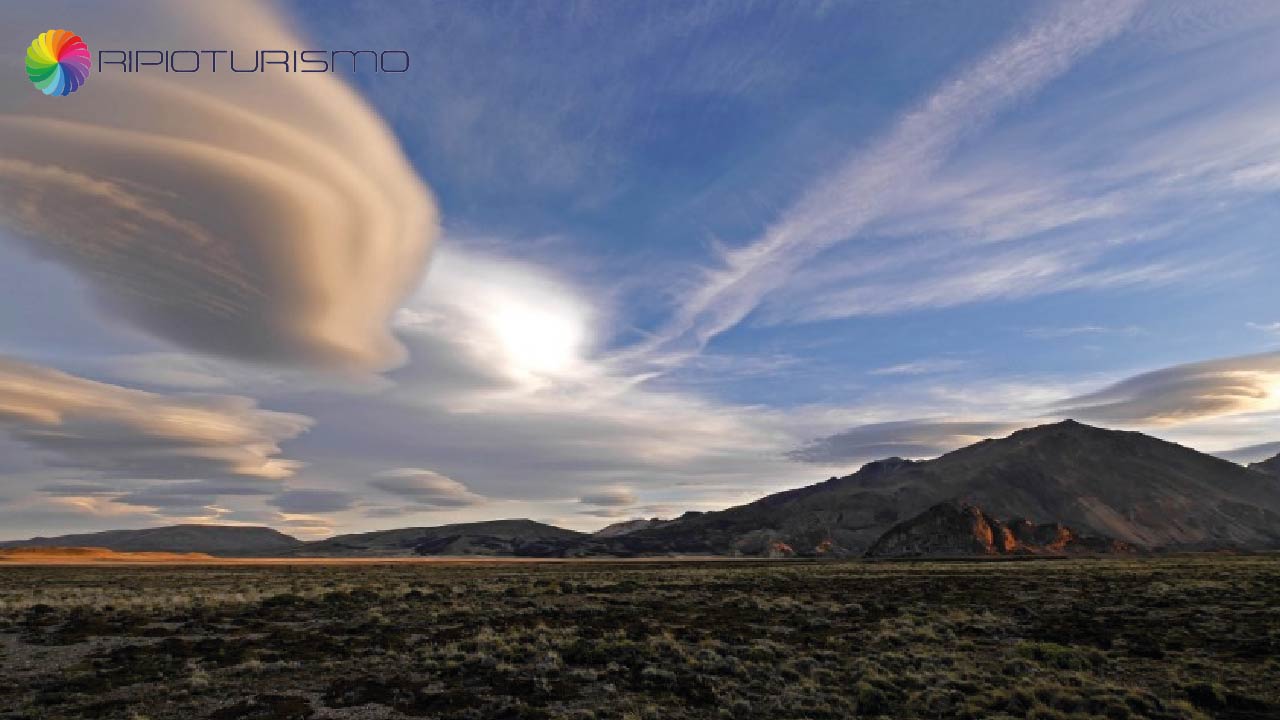
Arriving at Estancia La Oriental, I immediately felt that this was not just another place to stay—it was a place where Patagonia reveals itself in its most stripped-down and authentic form. After hours of traveling through remote roads and vast, open landscapes, reaching the estancia feels like arriving at the edge of everything.
The first thing that stood out to me was the silence and openness. Unlike other places where mountains frame the landscape, here the horizon stretches endlessly. There is nothing to interrupt the view—just land, sky, and wind. And that sense of exposure becomes part of the experience from the very beginning.
The estancia itself is simple, warm, and deeply connected to its surroundings. The rooms are comfortable but not extravagant, designed more for function and authenticity than for luxury. What I appreciated most were the windows—large enough to bring the outside in, constantly reminding me of where I was. There is no attempt to separate the guest from the environment; instead, everything invites you to embrace it. Inside, the atmosphere feels intimate and personal. It’s not a hotel in the traditional sense—it feels more like being welcomed into a private Patagonian home. After a day outside, returning to the warmth of the estancia, sitting down, and sharing a meal becomes an essential part of the experience.
Meals are simple but deeply satisfying, often based on local products and traditional recipes. There is a sense of honesty in the food—nothing is overcomplicated, everything feels real. Conversations around the table come naturally, often shaped by the shared experience of having reached such a remote place. One of the most memorable moments for me was stepping outside after dinner. With no artificial light anywhere around, the sky becomes overwhelming. The stars appear with incredible clarity, stretching across the entire horizon. It’s the kind of sky that reminds you how far you are from everything else.
The nights at La Oriental is quiet in a way that feels almost tangible. There are no distant sounds, no interruptions—just the wind moving across the plains. It’s a silence that doesn’t feel empty, but full. Waking up the next morning is just as powerful. The light comes in slowly, the air is crisp, and the landscape feels different again. There’s no rush to start the day. Everything moves at the pace of the place.
Staying at Estancia La Oriental is not about comfort in the conventional sense—it’s about something deeper. It’s about experiencing Patagonia in its most essential state: remote, open, and completely authentic. By the time I left, I realized that the estancia itself wasn’t just a stop along the journey—it was one of its defining moments.
I recommend to stay here 3 or 4 nights to enjoy this incredible remote area in Patagonia.
1007 – Incredible Patagonia with Skorpios III Cruise – 18 nights
Enjoy the best of Patagonia including the Skorpios III Cruise!

Distances, Roads, and the Reality of Traveling Patagonia
One of the most important aspects of this journey is understanding distances. Patagonia is not a place where you measure travel in short hops.
- Gravel roads are common
- Travel times are longer than expected
- Weather can change quickly
- Connectivity is limited
But this is not a drawback—it is part of the experience. Driving or traveling through Patagonia requires patience, flexibility, and a willingness to embrace the unexpected. Roads are not just ways to get from one point to another—they are part of the journey itself.
Climate: A Constant Companion
Throughout the trip, the climate was a constant presence.
Even in summer:
- Mornings can be cold
- Winds are strong and unpredictable
- Sunlight lasts well into the evening
In winter, conditions become more extreme, but even in warmer months, Patagonia demands respect. Layered clothing, preparation, and adaptability are essential.
Final Reflections: A Different Way to Travel
Traveling through Patagonia in this way—moving from estancia to estancia—changes your perspective. It is not about ticking off attractions, but about experiencing a region deeply.
Each place adds a layer:
- Nibepo Aike introduces you to estancia life
- Estancia Cristina connects you with glaciers and history
- Helsingfors immerses you in raw nature
- La Oriental brings you to the edge of isolation
Together, they create a journey that is not linear, but immersive. I really suggest to organize this tour in two weeks. You can combine some highlight visits in El calafate like Perito Moreno Glacier and even stop in El Chalten for a couple of days and enjoy the trekking trails there. Just contact us, we`re ready to help you to organize this memorable trip.
Remember, Patagonia is not a destination you rush through. It is a place you absorb, slowly, one landscape at a time. And by the time I reached the end of this route, I realized something simple but powerful: in Patagonia, the journey itself is the destination.
1001 – Argentina & Chile in 12 nights – Option 1
Buenos Aires, Santiago de Chile and the Lakes District in 12 nights

————————————————————————————————————————————-
Did you enjoy my article? Email me at info@ripioturismo.com I`m ready to help you!